Posted on: November 10, 2026
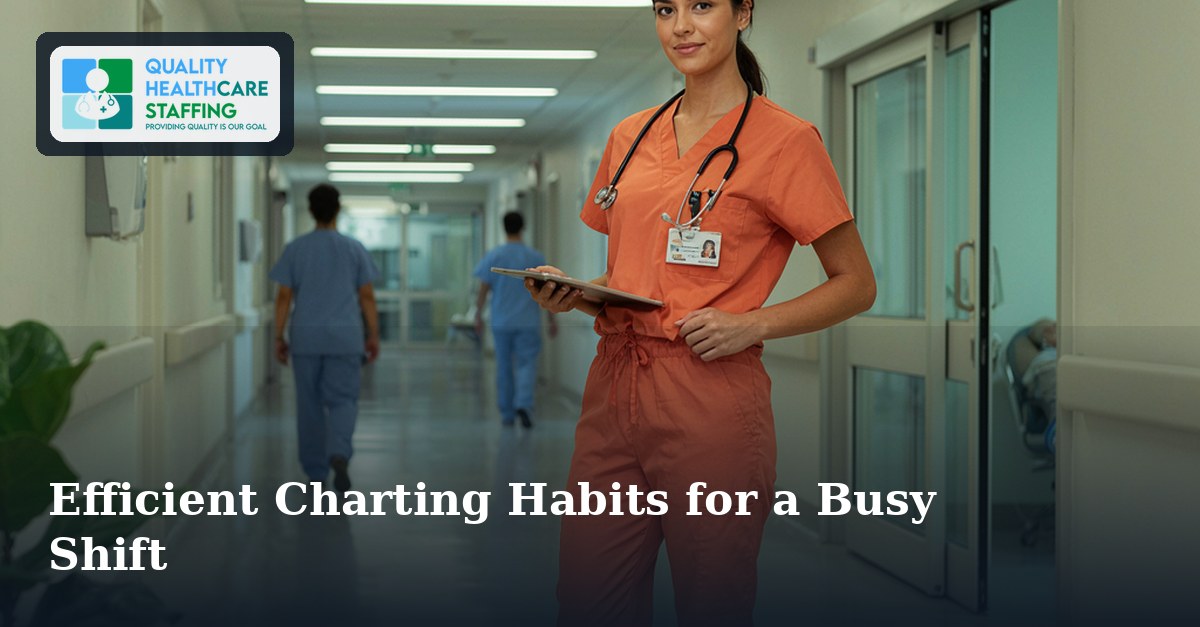
Efficient charting is crucial for psychiatric nurses to document patient care accurately and maintain safety standards. Both healthcare facilities and nurses can benefit from streamlined charting practices, ensuring that patient care remains a priority even during the busiest shifts. This post delves into essential charting habits that can make a significant difference in patient outcomes and nurse well-being.
Timely documentation is critical in psychiatric nursing to ensure that patient care is accurately reflected and communicated. Delayed charting can lead to miscommunication, missed medication administration, and other critical errors. By updating charts promptly, nurses can prevent such issues and ensure that all team members are informed about the patient’s status.
Practical Example:
Consider a scenario where a patient exhibits sudden signs of agitation. Promptly documenting these signs and the actions taken can help the next shift’s team understand the patient’s condition and continue the appropriate care plan without delay. This ensures continuity and reduces the risk of further complications.
To streamline charting, psychiatric nurses can adopt several strategies. First, using electronic health records (EHRs) can significantly reduce the time spent on manual documentation. EHRs often have pre-populated fields, templates, and drop-down menus that simplify the process. Additionally, nurses can prioritize charting by focusing on the most critical information first, such as vital signs and medication administration. This approach ensures that the most important details are not overlooked or delayed.
Practical Example:
A nurse might use an EHR template to document patient interactions, noting key symptoms and interventions. By focusing on critical data first, such as medication administration and patient behavior changes, the nurse ensures that essential information is entered quickly and accurately, reducing the likelihood of errors and omissions.
Consistency is key in maintaining accurate and reliable documentation. Establishing a consistent charting routine helps ensure that all necessary information is captured systematically. This includes using standardized terminology, following facility protocols, and adhering to a set schedule for documenting care. Consistency also aids in training new staff members and maintaining compliance with regulatory requirements.
Practical Example:
A facility may implement a standardized charting protocol where nurses document care at specific intervals (e.g., every four hours) using a set format. This ensures that all necessary details are captured in a uniform manner, making it easier for other team members to understand the patient’s care plan and status.
Several common pitfalls can undermine the effectiveness of charting, such as illegible handwriting, incomplete records, and delayed documentation. To avoid these issues, nurses should ensure that all entries are clear, complete, and timely. Facilities can support this by providing ongoing training and resources to help nurses develop strong charting habits. Additionally, implementing quality control measures, such as regular audits and feedback sessions, can help identify and correct charting errors.
Practical Example:
Facilities can conduct regular audits of charting practices to ensure compliance with standards. For example, a monthly audit might check for completeness, accuracy, and timeliness of entries. This feedback loop helps nurses refine their charting techniques and maintain high-quality documentation.
Facilities can support psychiatric nurses by providing training on effective charting techniques, ensuring access to reliable EHR systems, and offering regular feedback on documentation quality. Additionally, facilities can establish clear protocols and guidelines to help nurses document care consistently and accurately.
Poor charting practices can lead to miscommunication among healthcare providers, medication errors, and legal issues. Inconsistent or incomplete documentation can also impact patient care and facility accreditation. Ensuring accurate and timely charting is essential for maintaining the highest standards of care.
Nurses can improve their charting skills by participating in regular training sessions, utilizing EHR systems effectively, and following established protocols. They can also seek feedback from peers and supervisors to identify areas for improvement and implement best practices in their daily routines.
Maintaining consistency in charting involves using standardized terminology, following facility protocols, and adhering to a set schedule for documenting care. Regular training and feedback sessions can help nurses stay consistent and ensure that all necessary information is captured systematically.
Efficient charting habits are vital for psychiatric nurses to document care accurately and ensure patient safety. Both facilities and nurses can benefit from adopting streamlined charting practices that prioritize timely, consistent, and clear documentation. By implementing these strategies, healthcare professionals can maintain the highest standards of care even during the busiest shifts. Request staff — https://qhstaff.com/contact/.
This content is for informational purposes only and is not medical advice.
Quality Healthcare Staffing connects facilities and healthcare professionals across New York and New Jersey.
Contact Our Team