Posted on: August 12, 2024
The Physician Staffing Crisis: A Threat to New York City’s Public Health
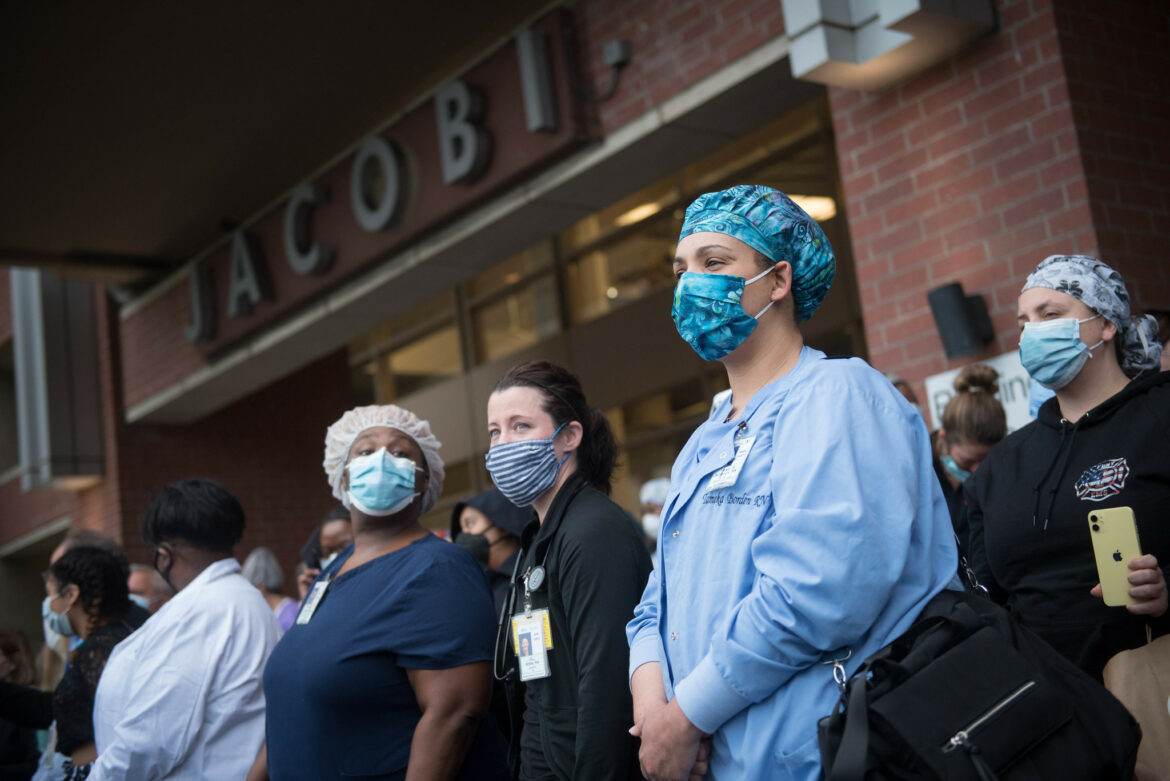
New York City is grappling with a severe physician staffing shortage, particularly in its public health system, Health + Hospitals (H+H). This shortage is endangering the city’s ability to provide quality healthcare, especially for vulnerable populations such as low-income, immigrant, and minority communities. The impact is significant, leading to longer wait times, reduced access to services, and increased burnout among healthcare workers.
Understanding the Crisis: Causes of the Physician Shortage
The physician shortage in New York City’s public health system is a long-standing issue that has worsened due to a combination of factors. A primary cause is the city’s difficulty in attracting and retaining physicians in the public sector. Although New York City hosts some of the nation’s top hospitals, many of these are private institutions offering higher salaries and better working conditions than H+H, making it challenging for the public health system to compete. The COVID-19 pandemic brought these challenges into sharper focus. The demand for healthcare services surged dramatically, but the supply of available physicians did not keep pace, increasing the workload on the existing medical staff. This resulted in significant burnout among physicians, many of whom have since left the profession or moved to less demanding roles in private practice or different locations. The bureaucratic red tape and administrative challenges within H+H further exacerbate the problem. Physicians working in the public health system often encounter extensive paperwork, limited resources, and bureaucratic hurdles that hinder their ability to provide care effectively. These administrative burdens lead to job dissatisfaction and make it even harder for the system to recruit new talent or retain existing staff.
The Impact on Public Health
The shortage of physicians has far-reaching implications for public health in New York City. With fewer doctors available, patients experience longer wait times for appointments and procedures, a critical issue for those managing chronic conditions or in need of urgent care. The longer wait times and reduced availability of services can lead to worsened health outcomes, particularly for low-income communities who may not have alternative options for care. Moreover, the remaining healthcare staff face increased pressure, resulting in higher levels of burnout, which in turn reduces the quality of care provided. Overworked physicians are more likely to experience stress and exhaustion, which can negatively affect their ability to perform, potentially leading to mistakes or oversights that put patient health at risk. The physician shortage also exacerbates existing health disparities in the city, disproportionately affecting communities of color, immigrants, and those living in poverty. These populations rely more heavily on H+H for their healthcare needs, meaning they are the most impacted by the reduced availability of physicians. The shortage not only threatens public health in general but also deepens the divide in health outcomes between different demographic groups.
How Quality Healthcare Staffing Can Help
Quality Healthcare Staffing (QHS) is uniquely positioned to address the physician shortage in New York City’s public health system. With a focus on providing top-tier healthcare professionals to meet the needs of various healthcare settings, QHS offers several solutions that can help mitigate this crisis and ensure that all New Yorkers receive the care they need.
Potential Solutions: Addressing the Crisis To address the physician shortage, New York City needs to take immediate and strategic action. The following are potential solutions that could help alleviate the crisis and ensure that all New Yorkers have access to quality healthcare.
The Role of Technology in Addressing the Shortage
In addition to traditional methods of addressing the physician shortage, technology can play a crucial role in bridging the gap. Telemedicine, for instance, offers a way to extend the reach of existing physicians, allowing them to consult with patients remotely and reduce the strain on physical facilities. Telemedicine can be particularly beneficial in managing chronic conditions, providing follow-up care, and offering specialist consultations without the need for in-person visits. Moreover, the integration of artificial intelligence (AI) in healthcare can help optimize physician workloads. AI tools can assist with diagnostics, administrative tasks, and even treatment planning, freeing up physicians to focus on more complex cases and patient interactions. By adopting these technological advancements, New York City’s public health system can improve efficiency and make better use of its limited physician resources.
Leveraging Public-Private Partnerships
Public-private partnerships are another avenue for addressing the physician shortage. By
collaborating with private healthcare providers, educational institutions, and organizations like Quality Healthcare Staffing, H+H can tap into additional resources and expertise. These partnerships can facilitate the sharing of best practices, the development of joint training programs, and the creation of innovative solutions tailored to the unique needs of New York City’s diverse population. For example, partnerships with medical schools could involve creating specialized tracks for students interested in public health, with guaranteed placements in H+H upon graduation. Similarly, collaborations with private hospitals could include shared staffing arrangements or joint ventures to provide care in underserved areas.
A Community-Centered Approach
Addressing the physician shortage also requires a community-centered approach. Engaging with community leaders, patient advocacy groups, and local organizations can help ensure that the solutions implemented are culturally sensitive and meet the needs of the diverse populations served by H+H. Community input is vital in identifying the specific challenges faced by different demographic groups and in designing interventions that are both effective and equitable. Moreover, public awareness campaigns can play a crucial role in educating the community about the resources available to them, the importance of preventive care, and how to navigate the healthcare system. By empowering patients with knowledge and encouraging proactive health management, the city can help reduce the overall demand on the public health system, alleviating some of the pressure caused by the physician shortage.
A Call to Action
The physician staffing shortage in New York City’s public health system is a critical issue that demands immediate attention. Without adequate staffing, the city risks the health and well-being of its most vulnerable populations. By leveraging the expertise and resources of organizations like Quality Healthcare Staffing, alongside strategic actions by the city, a sustainable solution can be achieved. Increasing compensation, reducing bureaucratic burdens, expanding residency programs, supporting physician well-being, and engaging in advocacy are essential steps to ensuring that all New Yorkers have access to the healthcare they need. Additionally, embracing technology, fostering public-private partnerships, and adopting a community-centered approach will be crucial in addressing the shortage and building a resilient public health system for the future. The time to act is now before the situation worsens and the health of millions is put further at risk. Together, through collaboration and innovation, we can ensure that New York City’s public health system is equipped to meet the challenges of today and tomorrow, providing quality care to all who call this city home.
Quality Healthcare Staffing connects facilities and healthcare professionals across New York and New Jersey.
Contact Our Team