Posted on: November 20, 2026
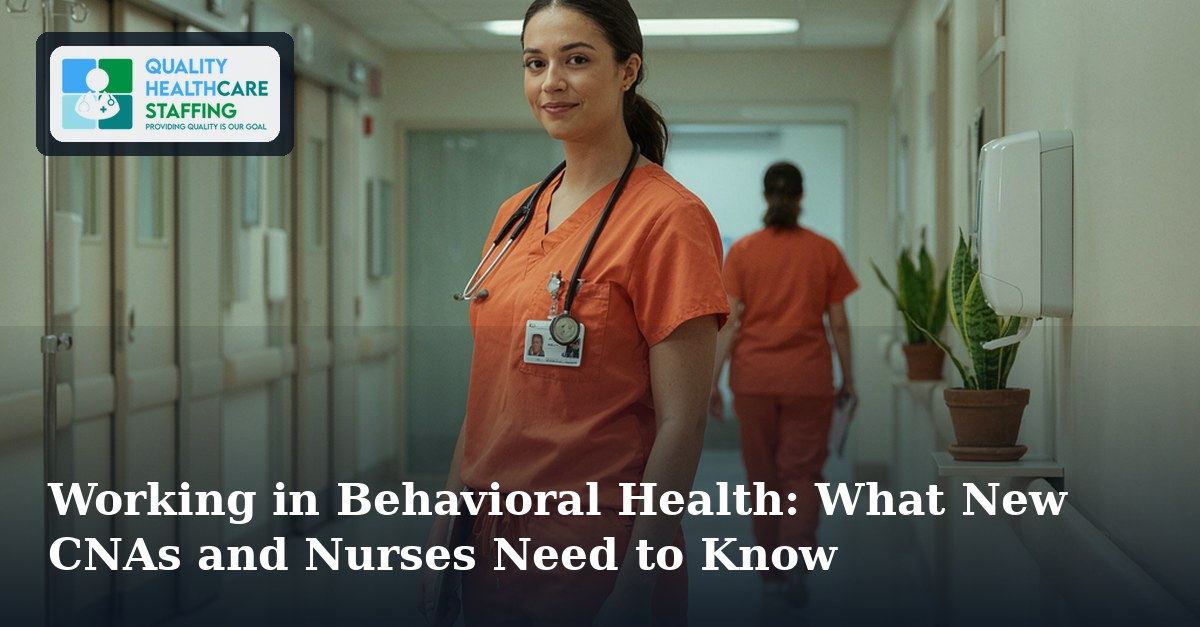
Behavioral health units play a critical role in providing care for individuals with mental health conditions and psychiatric disorders. Whether you’re a new CNA or nurse, working in these units can be both rewarding and challenging. This guide provides essential information to help you prepare for your first shift in a behavioral health setting.
In behavioral health units, CNAs and nurses play pivotal roles in ensuring patients’ physical and emotional well-being. CNAs assist with daily living activities such as bathing, dressing, and meal preparation, while also monitoring patient behavior and reporting any changes to the nursing staff. Nurses provide medical care, coordinate with mental health professionals, and manage medication administration and monitoring.
For example, a CNA might notice a patient showing signs of agitation and immediately inform the nurse, who can then intervene with appropriate measures such as medication or de-escalation techniques. This collaboration ensures that patients receive comprehensive care that addresses both their physical and mental health needs.
New staff in behavioral health units should be equipped with skills such as de-escalation techniques, crisis intervention, and basic psychopharmacology. Understanding the signs and symptoms of common mental health disorders is crucial. Training in these areas helps staff provide compassionate and effective care.
For instance, a nurse might use de-escalation techniques to calm a patient experiencing a panic attack. This could involve using a calm and reassuring tone, providing a quiet space, and offering reassurance. By mastering these skills, nurses and CNAs can effectively manage challenging situations and ensure a safe environment for all.
Behavioral health units often have robust support systems, including social workers, psychiatrists, and counselors. These professionals work together to create individualized care plans and provide a supportive environment for both patients and staff. Staff should feel comfortable reaching out to these resources when needed.
For example, if a CNA is unsure about the best way to handle a patient’s sudden change in behavior, they can consult with a social worker or psychiatrist for guidance. This multidisciplinary approach ensures that patients receive comprehensive care and helps staff manage the complexities of the job.
Safety is a critical component of working in a behavioral health unit. Staff must be familiar with emergency procedures such as restraint techniques, seclusion protocols, and how to handle violent or aggressive behavior. Training in these areas helps ensure the safety of both patients and staff.
For example, if a patient becomes violent, staff must know how to safely and effectively implement a restraint protocol to prevent harm. This involves a thorough understanding of the proper techniques and the legal and ethical considerations surrounding the use of restraints.
Ongoing education and training are essential for staff working in behavioral health units. Regular workshops, seminars, and continuing education courses can help staff stay up-to-date with the latest practices and treatments in mental health care. Facilities should encourage and support staff in pursuing these opportunities.
For example, a facility might offer a monthly training session on the latest psychopharmacology research or a workshop on trauma-informed care. By investing in the professional development of their staff, facilities can ensure that they provide the highest quality care possible.
The key challenges include managing patients with unpredictable behaviors, dealing with high-stress situations, and ensuring the safety of both patients and staff. Effective training and support systems can help mitigate these challenges.
Preparing for your first shift involves familiarizing yourself with the unit’s protocols, understanding the signs and symptoms of common mental health conditions, and learning de-escalation techniques. Additionally, attending orientation sessions and asking questions can help you feel more confident.
Behavioral health units typically offer ongoing training, support from mental health professionals, and access to counseling services for staff. These resources help ensure that staff members can provide high-quality care while maintaining their own well-being.
Common mental health disorders include depression, anxiety, bipolar disorder, schizophrenia, and personality disorders. Understanding the signs and symptoms of these conditions is essential for providing appropriate care and support to patients.
Handling emergency situations requires a clear understanding of safety protocols and emergency procedures. Staff must be trained in techniques such as restraint and seclusion, and should have access to a multidisciplinary team to support them in managing crises.
Working in a behavioral health unit is a unique and rewarding experience. By understanding the roles, skills, and support systems in place, new CNAs and nurses can be better prepared for their first shift. If you’re interested in joining a dynamic and supportive team in behavioral health, apply today — https://qhstaff.com/careers/.
This article is for informational purposes only and is not medical advice. Please consult a licensed healthcare professional about your specific situation.
Quality Healthcare Staffing connects facilities and healthcare professionals across New York and New Jersey.
Contact Our Team