Posted on: August 1, 2026
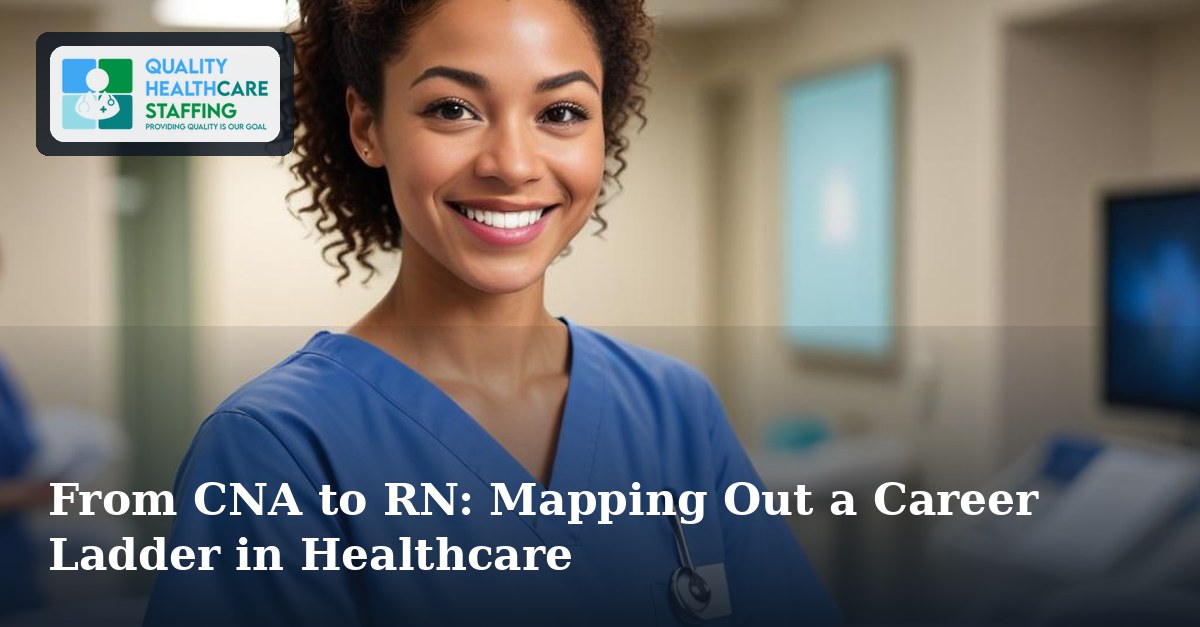
Plenty of the strongest RNs working in skilled nursing and long-term care today started as CNAs. That path — CNA to LPN to RN, taken in stages, often while working — is one of the most practical ways into a stable, well-respected healthcare career, especially for people who can’t put their income on pause to attend school full-time. It’s also a path that requires realistic planning rather than vague ambition, because each stage has its own timeline, cost, and clinical requirements.
CNA certification programs are relatively short, typically measured in weeks rather than years, and get you into direct patient care fast. What’s easy to underestimate is how much foundational clinical judgment CNA work builds — reading a resident’s baseline, noticing subtle changes, understanding how a care team functions under real conditions. Nurses who came up through CNA work often say that hands-on foundation made nursing school clinical rotations feel more intuitive than it did for classmates without that background.
LPN (Licensed Practical Nurse) programs are the natural next step for CNAs looking to expand their scope — taking on more complex clinical tasks and greater responsibility within a care team. Many LPN programs are specifically designed with working CNAs in mind, offering evening or weekend cohorts. Some employers also offer tuition assistance or flexible scheduling for staff pursuing LPN credentials, so it’s worth asking directly rather than assuming that support doesn’t exist.
Moving from LPN to RN is a bigger commitment — typically an Associate Degree in Nursing (ADN) program, with the option to later pursue a Bachelor of Science in Nursing (BSN) through an RN-to-BSN bridge program. LPN-to-RN bridge programs exist specifically to give credit for prior LPN coursework and clinical experience, shortening the path compared to starting an RN program from scratch. This stage requires more sustained coursework and clinical hours, which is why many people pursuing it plan around a realistic multi-year timeline rather than expecting to compress it.
A few practical factors determine whether this career ladder actually works for a given person:
Facilities benefit directly from staff who came up through this ladder. A CNA who becomes an LPN and eventually an RN within the same organization, or the same professional network, brings institutional knowledge and hands-on experience that’s hard to replicate through external hiring alone. Supporting this pipeline isn’t just good for individual careers — it’s a genuine retention and quality strategy for facilities.
QH Staffing works with CNAs, LPNs, and RNs at every stage of this career path, matching flexible per diem and contract opportunities to people building toward the next credential. If you’re a CNA thinking about what comes next, or a facility interested in supporting staff on this path, call (914) 292-9412 or reach out to our team.
Book a meeting with our team — pick a time that works for you.
Quality Healthcare Staffing connects facilities and healthcare professionals across New York and New Jersey.
Contact Our Team