The Essential Role of Quality Home Staffing in Ensuring Exceptional Care

In the healthcare industry, the quality of care delivered is directly linked to the quality of the professionals providing it. At Quality Home Staffing, we understand that exceptional care begins with exceptional staffing. Whether it’s for home healthcare, assisted living facilities, or other healthcare environments, having the right professionals in place is crucial for delivering top-notch care to those who need it most.

Why Quality Staffing Matters
Healthcare settings are diverse, and so are the needs of patients. Whether it’s providing specialized care for a senior citizen or ensuring that a child with special needs receives the attention they deserve, the right staff can make all the difference. Our staffing solutions at Quality Home Staffing are designed to match healthcare providers with highly skilled professionals who not only meet but exceed the required qualifications.

We recognize that the needs of each client are unique, and that’s why we take a personalized approach to staffing. By understanding the specific requirements of your organization and the individuals you care for, we ensure that the professionals we provide are the best fit for your team.

Our Commitment to Excellence
At Quality Home Staffing, we are committed to excellence in everything we do. Our rigorous screening and training processes guarantee that the healthcare professionals we place are not only qualified but are also passionate about providing the highest standard of care. We go beyond simply filling positions; we partner with our clients to ensure that every placement contributes positively to the well-being of the individuals under their care.

Why Partner with Us?
Choosing Quality Home Staffing means choosing a partner who understands the critical nature of healthcare staffing. We work closely with our clients to provide tailored solutions that enhance the quality of care delivered. Our team is dedicated to ensuring that you have the support you need to focus on what matters most—caring for your patients.

Call to Action
Ready to elevate the standard of care in your facility? Partner with Quality Home Staffing today to ensure that you have the best professionals on your team. Visit our website or contact us directly to learn more about our staffing solutions and how we can help you deliver exceptional care. Let’s work together to make a difference in the lives of those you serve!

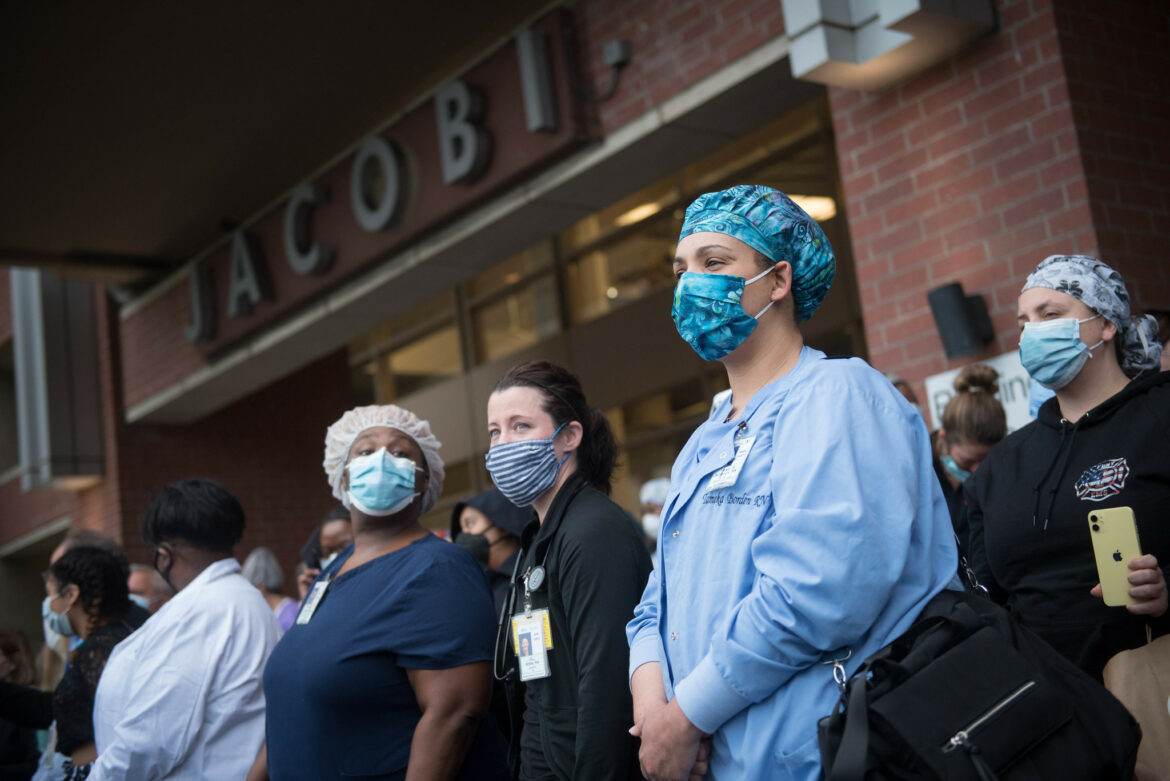
Healthcare workers rally for fair contract amid staffing crisis at Coney Island hospital

Addressing the Staffing Crisis at Coney Island Hospital
Coney Island Hospital in Brooklyn is currently at the center of a staffing crisis, leading to
increased pressures on healthcare workers and jeopardizing patient care. This issue has sparked
rallies and calls for fair contracts from the healthcare workers who are struggling to maintain
quality care amid severe staff shortages. The ongoing crisis highlights the need for systemic
change in how healthcare institutions manage and support their staff, particularly in public
hospitals that serve some of the city’s most vulnerable populations.


The Root Causes of the Staffing Crisis
Several factors have contributed to the staffing crisis at Coney Island Hospital. One of the
primary issues is the long-standing underfunding of public hospitals in New York City, which
has led to lower wages and less competitive benefits for healthcare workers compared to private
institutions. This disparity makes it difficult for public hospitals to attract and retain skilled
professionals, particularly in high-demand areas such as nursing, where the shortage is most
acute. Moreover, the COVID-19 pandemic has further exacerbated these challenges. The
pandemic placed an unprecedented strain on healthcare workers, many of whom were already
working under difficult conditions. The increased workload, combined with the physical and
emotional toll of dealing with a global health crisis, has led to significant burnout among
healthcare professionals. This burnout has resulted in many workers leaving the profession or
seeking employment in less demanding settings, further depleting the workforce at Coney Island
Hospital. Another contributing factor is the increasing demand for healthcare services in
Brooklyn, driven by a growing and aging population. As more residents require medical care, the
hospital’s limited staff is stretched even thinner, leading to longer wait times, reduced patient care
quality, and heightened stress among remaining workers.


The Consequences of the Staffing Shortage
The staffing crisis at Coney Island Hospital has far-reaching consequences for both healthcare
workers and patients. For the staff, the shortage means longer shifts, increased patient loads, and
less time for rest and recovery. This relentless pace can lead to burnout, job dissatisfaction, and
ultimately, a higher turnover rate. High turnover exacerbates the shortage, creating a vicious
cycle that further strains the hospital’s resources. For patients, the consequences are equally dire.
A shortage of healthcare workers means longer wait times for treatment, delays in receiving care,
and potentially poorer health outcomes. In emergency situations, where timely care is critical,
these delays can be life-threatening. Moreover, the quality of care may suffer as overworked and
exhausted staff struggle to manage their responsibilities, increasing the risk of errors and
oversights. The staffing crisis also disproportionately affects low-income and marginalized
communities in Brooklyn, who rely heavily on public hospitals like Coney Island for their
healthcare needs. These communities often face barriers to accessing healthcare, and the current
shortage only exacerbates these challenges, leading to widened health disparities in the borough.


The Role of Quality Healthcare Staffing in Mitigating the Crisis
Quality Healthcare Staffing (QHS) can play a pivotal role in addressing the staffing crisis at
Coney Island Hospital by providing flexible, reliable staffing solutions tailored to the hospital’s
needs. Here’s how:


Temporary Staffing Solutions: QHS can provide temporary healthcare workers to fill
immediate gaps in staffing, ensuring that patient care is not compromised during peak times or
when the hospital is short-staffed. These temporary workers can help alleviate the burden on
full-time staff, allowing them to focus on providing quality care without becoming overwhelmed.
Permanent Placement Services: Beyond temporary solutions, QHS can assist Coney Island
Hospital in recruiting and retaining permanent staff. By leveraging its extensive network and
expertise in healthcare recruitment, QHS can identify and attract qualified professionals who are
committed to serving in public hospitals, helping to build a more stable and sustainable
workforce.


Specialized Healthcare Professionals: QHS can provide specialized healthcare professionals
who are trained to work in high-stress environments like Coney Island Hospital. These
professionals can bring the necessary skills and experience to handle complex cases, reducing the
pressure on existing staff and ensuring that patients receive the care they need.
Support for Healthcare Workers: QHS understands the importance of supporting healthcare
workers’ well-being. By offering wellness programs, mental health support, and other resources,
QHS can help prevent burnout and improve job satisfaction, which is critical for retaining staff in
the long term.


Collaboration with Public Hospitals: QHS can collaborate closely with Coney Island Hospital
and other public healthcare institutions to develop long-term strategies for addressing staffing
challenges. This collaboration could include initiatives such as joint recruitment efforts, training
programs, and workforce development strategies that are tailored to the unique needs of public
hospitals.


Strategies for a Sustainable Solution
While staffing agencies like QHS provide essential short-term relief, addressing the root causes
of the staffing crisis at Coney Island Hospital requires a multi-faceted approach. The following
strategies could help create a more sustainable solution:


Increased Funding for Public Hospitals: Adequate funding is crucial for ensuring that public
hospitals can offer competitive salaries and benefits, attracting and retaining skilled healthcare
workers. Advocating for increased state and federal funding for public healthcare institutions
should be a top priority.


Improving Working Conditions: To retain staff, Coney Island Hospital must focus on
improving working conditions. This could include reducing administrative burdens, ensuring
reasonable nurse-to-patient ratios, and providing ongoing professional development
opportunities. A supportive work environment can go a long way in reducing turnover and
preventing burnout.


Engaging in Policy Advocacy: Engaging in policy advocacy at the local, state, and federal
levels is essential for addressing systemic issues contributing to the staffing crisis. This could
involve advocating for immigration policies that allow more foreign-trained healthcare workers
to practice in the U.S., as well as reforms to licensing and certification processes that streamline
the path to employment for these workers.


Community Engagement and Support: Involving the community in addressing the staffing
crisis is also important. Public awareness campaigns can help educate residents about the
challenges facing Coney Island Hospital and encourage support for initiatives aimed at
improving healthcare access and quality. Community input is crucial in developing solutions that
are both effective and culturally appropriate.


Moving Forward Together
The staffing crisis at Coney Island Hospital is a serious issue that threatens the well-being of
both healthcare workers and patients. Addressing this crisis requires a collaborative effort
involving healthcare institutions, staffing agencies like Quality Healthcare Staffing,
policymakers, and the community. By working together to implement both short-term and
long-term solutions, we can ensure that Coney Island Hospital remains a vital resource for the
Brooklyn community, providing high-quality care to all who need it. Quality Healthcare Staffing,
with its expertise in healthcare recruitment and staffing, can play a crucial role in helping Coney
Island Hospital navigate this challenging time. By providing temporary relief, supporting
long-term recruitment efforts, and advocating for systemic changes, QHS can help create a more
sustainable and equitable healthcare system in Brooklyn. The time to act is now, before the
staffing crisis further jeopardizes the health and safety of the community

Opinion: Physician Staffing Shortages Put NYC’s Public Health at Risk

The Physician Staffing Crisis: A Threat to New York City’s Public Health
New York City is grappling with a severe physician staffing shortage, particularly in its public health system, Health + Hospitals (H+H). This shortage is endangering the city’s ability to provide quality healthcare, especially for vulnerable populations such as low-income, immigrant, and minority communities. The impact is significant, leading to longer wait times, reduced access to services, and increased burnout among healthcare workers.

Understanding the Crisis: Causes of the Physician Shortage
The physician shortage in New York City’s public health system is a long-standing issue that has worsened due to a combination of factors. A primary cause is the city’s difficulty in attracting and retaining physicians in the public sector. Although New York City hosts some of the nation’s top hospitals, many of these are private institutions offering higher salaries and better working conditions than H+H, making it challenging for the public health system to compete. The COVID-19 pandemic brought these challenges into sharper focus. The demand for healthcare services surged dramatically, but the supply of available physicians did not keep pace, increasing the workload on the existing medical staff. This resulted in significant burnout among physicians, many of whom have since left the profession or moved to less demanding roles in private practice or different locations. The bureaucratic red tape and administrative challenges within H+H further exacerbate the problem. Physicians working in the public health system often encounter extensive paperwork, limited resources, and bureaucratic hurdles that hinder their ability to provide care effectively. These administrative burdens lead to job dissatisfaction and make it even harder for the system to recruit new talent or retain existing staff.

The Impact on Public Health
The shortage of physicians has far-reaching implications for public health in New York City. With fewer doctors available, patients experience longer wait times for appointments and procedures, a critical issue for those managing chronic conditions or in need of urgent care. The longer wait times and reduced availability of services can lead to worsened health outcomes, particularly for low-income communities who may not have alternative options for care. Moreover, the remaining healthcare staff face increased pressure, resulting in higher levels of burnout, which in turn reduces the quality of care provided. Overworked physicians are more likely to experience stress and exhaustion, which can negatively affect their ability to perform, potentially leading to mistakes or oversights that put patient health at risk. The physician shortage also exacerbates existing health disparities in the city, disproportionately affecting communities of color, immigrants, and those living in poverty. These populations rely more heavily on H+H for their healthcare needs, meaning they are the most impacted by the reduced availability of physicians. The shortage not only threatens public health in general but also deepens the divide in health outcomes between different demographic groups.

How Quality Healthcare Staffing Can Help
Quality Healthcare Staffing (QHS) is uniquely positioned to address the physician shortage in New York City’s public health system. With a focus on providing top-tier healthcare professionals to meet the needs of various healthcare settings, QHS offers several solutions that can help mitigate this crisis and ensure that all New Yorkers receive the care they need.

  1. Rapid Deployment of Skilled Physicians: QHS has the capability to quickly deploy
    skilled physicians to underserved areas within H+H. This rapid deployment can help fill
    critical staffing gaps, reduce patient wait times, and ensure that those in need of care
    receive timely attention.
  2. Flexible Staffing Solutions: QHS offers flexible staffing solutions that can be tailored to meet the specific needs of H+H. Whether the requirement is for temporary, part-time, or full-time physicians, QHS can provide the right professionals to match the demand, ensuring that the public health system remains resilient in the face of staffing challenges.
  3. Specialized Recruitment Services: QHS specializes in recruiting healthcare professionals with the necessary skills and experience to thrive in challenging environments like H+H. By leveraging its expertise in healthcare recruitment, QHS can help attract and retain top talent, ensuring that H+H has access to the best physicians available.
  4. Support for Physician Well-Being: QHS understands the importance of supporting the well-being of healthcare professionals. By offering resources and support services designed to reduce burnout and promote work-life balance, QHS can help ensure that physicians remain engaged and committed to their roles in the public health system.
  5. Partnerships and Collaboration: QHS can work closely with H+H and other stakeholders to develop long-term solutions to the physician shortage. Through partnerships and collaboration, QHS can help identify and implement strategies that address the root causes of the shortage, ensuring that the public health system is better equipped to meet the needs of New Yorkers.


Potential Solutions: Addressing the Crisis To address the physician shortage, New York City needs to take immediate and strategic action. The following are potential solutions that could help alleviate the crisis and ensure that all New Yorkers have access to quality healthcare.

  1. Increase Physician Compensation: Offering competitive salaries and benefits can help attract and retain physicians in the public health system. The city could consider additional incentives such as loan forgiveness programs, housing assistance, or bonuses for physicians who commit to working in underserved areas for a set period.
  2. Streamline Bureaucratic Processes: Reducing the administrative burden on physicians could make the public health system more attractive to both new and existing doctors. Streamlining paperwork, improving resource allocation, and reducing bureaucratic red tape would allow physicians to focus more on patient care.
  3. Expand Residency Programs: New York City could invest in expanding residency programs within H+H to train more doctors in the public health system. Increasing the number of residency slots and providing incentives for residents to stay in the public sector after completing their training would help build a pipeline of new physicians.
  4. Engage in Advocacy and Policy Change: Addressing the physician shortage will require advocacy at the state and federal levels. The city should work with policymakers to advocate for increased funding for public health, changes to immigration policies that could allow more foreign-trained physicians to work in the U.S., and reforms that make it easier for physicians to practice in underserved areas.


The Role of Technology in Addressing the Shortage
In addition to traditional methods of addressing the physician shortage, technology can play a crucial role in bridging the gap. Telemedicine, for instance, offers a way to extend the reach of existing physicians, allowing them to consult with patients remotely and reduce the strain on physical facilities. Telemedicine can be particularly beneficial in managing chronic conditions, providing follow-up care, and offering specialist consultations without the need for in-person visits. Moreover, the integration of artificial intelligence (AI) in healthcare can help optimize physician workloads. AI tools can assist with diagnostics, administrative tasks, and even treatment planning, freeing up physicians to focus on more complex cases and patient interactions. By adopting these technological advancements, New York City’s public health system can improve efficiency and make better use of its limited physician resources.

Leveraging Public-Private Partnerships
Public-private partnerships are another avenue for addressing the physician shortage. By
collaborating with private healthcare providers, educational institutions, and organizations like Quality Healthcare Staffing, H+H can tap into additional resources and expertise. These partnerships can facilitate the sharing of best practices, the development of joint training programs, and the creation of innovative solutions tailored to the unique needs of New York City’s diverse population. For example, partnerships with medical schools could involve creating specialized tracks for students interested in public health, with guaranteed placements in H+H upon graduation. Similarly, collaborations with private hospitals could include shared staffing arrangements or joint ventures to provide care in underserved areas.

A Community-Centered Approach
Addressing the physician shortage also requires a community-centered approach. Engaging with community leaders, patient advocacy groups, and local organizations can help ensure that the solutions implemented are culturally sensitive and meet the needs of the diverse populations served by H+H. Community input is vital in identifying the specific challenges faced by different demographic groups and in designing interventions that are both effective and equitable. Moreover, public awareness campaigns can play a crucial role in educating the community about the resources available to them, the importance of preventive care, and how to navigate the healthcare system. By empowering patients with knowledge and encouraging proactive health management, the city can help reduce the overall demand on the public health system, alleviating some of the pressure caused by the physician shortage.

A Call to Action
The physician staffing shortage in New York City’s public health system is a critical issue that demands immediate attention. Without adequate staffing, the city risks the health and well-being of its most vulnerable populations. By leveraging the expertise and resources of organizations like Quality Healthcare Staffing, alongside strategic actions by the city, a sustainable solution can be achieved. Increasing compensation, reducing bureaucratic burdens, expanding residency programs, supporting physician well-being, and engaging in advocacy are essential steps to ensuring that all New Yorkers have access to the healthcare they need. Additionally, embracing technology, fostering public-private partnerships, and adopting a community-centered approach will be crucial in addressing the shortage and building a resilient public health system for the future. The time to act is now before the situation worsens and the health of millions is put further at risk. Together, through collaboration and innovation, we can ensure that New York City’s public health system is equipped to meet the challenges of today and tomorrow, providing quality care to all who call this city home.