Resignations and Rehiring: The Shifting Sands of the U.S. Labor Market

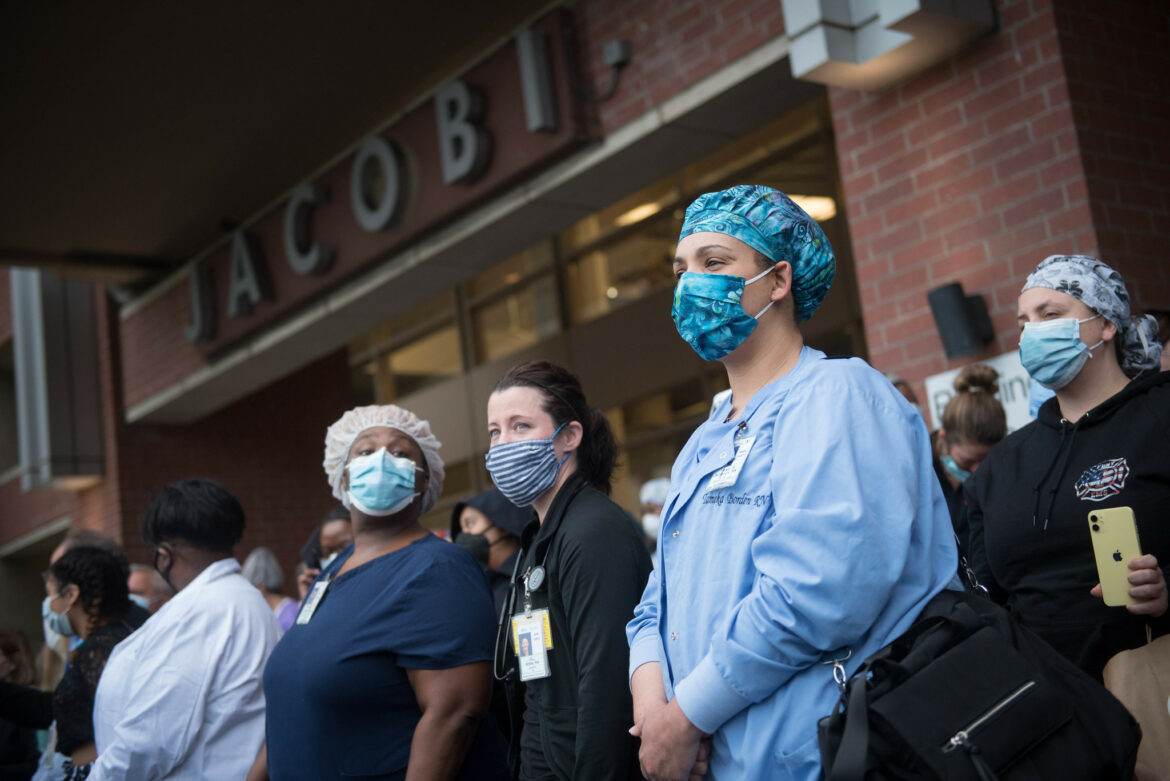
In the wake of the tumultuous events that have characterized recent times, the landscape of the U.S. labor market has undergone a profound transformation. The once-stable foundations of employment have been rocked by unprecedented waves of resignations and subsequent rehiring, creating what can only be described as shifting sands beneath our feet.

The phenomenon of resignations, once seen as a rare and noteworthy occurrence, has now become a pervasive trend across various sectors. Employees, emboldened by a newfound sense of agency and empowered by remote work opportunities, are reassessing their priorities and seeking greener pastures elsewhere. Whether driven by burnout, dissatisfaction with company culture, or a quest for better work-life balance, workers are voting with their feet in record numbers.

This mass exodus of talent has left employers scrambling to fill the voids left behind. The process of rehiring has become not only a logistical challenge but also a strategic imperative for organizations looking to maintain productivity and competitiveness in an increasingly volatile market. However, the task is not as simple as it may seem.

Employers are facing a conundrum: How to attract and retain top talent in a landscape where loyalty is a rare commodity and job hopping is the new norm. Traditional recruitment strategies no longer suffice in a world where candidates hold the upper hand. Companies must adapt their approach to talent acquisition, offering more than just competitive salaries and benefits. They must create environments where employees feel valued, supported, and engaged – a tall order in an era of remote work and digital communication.

Furthermore, the resurgence of rehiring brings its own set of challenges. Employers must contend with the delicate balance of welcoming back former employees while addressing the reasons that led to their departure in the first place. It’s not enough to simply fill vacant positions; organizations must strive to foster a culture of continuous improvement and employee development to prevent history from repeating itself.

Amidst this sea of change, there is an opportunity for those willing to adapt and innovate. Employers who can offer meaningful work experiences, prioritize employee well-being, and embrace flexibility will emerge as the winners in the war for talent. Likewise, employees who take ownership of their career paths, seek out companies aligned with their values and prioritize their mental and emotional health will find fulfillment and success in their professional lives.

As we navigate these shifting sands of the U.S. labor market, one thing is clear: the old paradigms no longer apply. Resignations and rehiring are not isolated events but rather symptoms of deeper shifts in our societal and economic landscape. To thrive in this new era, both employers and employees must embrace change, adapt to uncertainty, and chart a course towards a future where work is not just a means to an end but a source of meaning and fulfillment.

Worker Shortages and Industry Challenges: A Comprehensive Analysis for 2024

The dynamic industrial landscape of 2024 is beset with previously unheard-of issues, chief among which is the enduring problem of labor shortages. Numerous reasons have contributed to this phenomenon, which has had a lasting impact on a number of industries, including manufacturing, technology, healthcare, and more.

One of the primary drivers of this crisis is the demographic shift occurring in many developed nations. As baby boomers retire in droves, there simply aren’t enough younger workers to fill the vacancies they leave behind. This demographic conundrum is further exacerbated by declining birth rates and a shrinking pool of skilled labor.

Moreover, the COVID-19 pandemic has thrown a wrench into the machinery of global labor markets. Lockdowns, travel restrictions, and health concerns have disrupted traditional patterns of work, leading to labor shortages in essential sectors such as healthcare, logistics, and hospitality. The exodus of workers from these industries, either due to burnout, health risks, or seeking better opportunities elsewhere, has left gaping holes that are proving challenging to fill.

The rise of automation and artificial intelligence also plays a significant role in reshaping the workforce landscape. While these technologies offer unparalleled efficiency and productivity gains, they also threaten to displace millions of workers, particularly those engaged in routine and repetitive tasks. The transition to a more automated economy necessitates reskilling and upskilling initiatives to ensure that workers remain relevant and employable in the face of technological disruption.

Furthermore, the gig economy, characterized by short-term contracts and freelance work, has emerged as a double-edged sword in the battle against worker shortages. While offering flexibility and autonomy to workers, it also brings precariousness and instability, eroding traditional employment relationships and exacerbating the challenges of workforce planning and management.

Addressing these complex issues requires a multi-faceted approach that involves collaboration between governments, businesses, educational institutions, and labor organizations. Policymakers must implement measures to stimulate workforce participation, such as incentivizing higher birth rates, promoting immigration, and investing in education and training programs tailored to emerging industries and skills in demand.

Businesses, on the other hand, must adopt innovative recruitment and retention strategies, including offering competitive wages, benefits, and career development opportunities. Embracing diversity and inclusivity can also broaden the talent pool and mitigate the impact of worker shortages.

The specter of worker shortages looms large over the global economy in 2024, posing formidable challenges to businesses and policymakers alike. However, with proactive measures and concerted efforts, it is possible to navigate these turbulent waters and build a more resilient and adaptive workforce for the future. By embracing innovation, collaboration, and compassion, we can turn the tide on this pressing issue and usher in a new era of prosperity and opportunity for all.

Navigating Burnout: Strategies for Nurses to Maintain Well-being

Nursing is a profession known for its demanding nature and the tremendous dedication required to provide quality care to patients. However, the relentless pace and high-stress environment can take a toll on nurses’ well-being, leading to burnout. In this blog, we’ll explore practical strategies that nurses can implement to navigate burnout and prioritize their own well-being.

  1. Establish Boundaries: One of the most important strategies for nurses to maintain their well-being is to establish boundaries. Setting clear limits on work hours, learning to say no when necessary, and prioritizing personal time are essential for preventing burnout. By defining boundaries, nurses can protect their physical, mental, and emotional energy, ensuring they have the reserves needed to provide compassionate care to their patients.
  2. Prioritize Self-Care: Self-care is not selfish; it’s essential for nurses to sustain themselves in a demanding profession. Prioritizing activities that promote physical, mental, and emotional well-being is crucial. This can include regular exercise, healthy eating habits, mindfulness practices such as meditation or yoga, and engaging in hobbies or activities that bring joy. By investing in self-care, nurses can recharge their batteries and build resilience to cope with the challenges of their profession.
  3. Cultivate Support Networks: Nursing can be emotionally taxing, and having a strong support network is invaluable. Connecting with colleagues, friends, or support groups provides an outlet for sharing experiences, seeking advice, and offering mutual encouragement. Cultivating relationships both within and outside the workplace fosters a sense of camaraderie and solidarity, helping nurses feel supported and less isolated in their struggles.
  4. Seek Professional Help: Recognizing the signs of burnout and seeking professional help is essential for nurses who are struggling to cope. Counseling, therapy, or support groups can provide valuable strategies for managing stress, anxiety, or depression. Nurses should not hesitate to reach out for help when needed, as seeking timely intervention can prevent burnout from escalating and facilitate recovery.
  5. Advocate for Workplace Improvements: Finally, nurses can play a proactive role in improving their work environment by advocating for systemic changes. This can include initiatives to address staffing shortages, enhance work-life balance, and promote a culture of appreciation and support. By speaking up about their needs and concerns, nurses can contribute to creating a healthier and more sustainable workplace for themselves and their colleagues.

Navigating burnout is a significant challenge for nurses, but with the right strategies in place, it is possible to prioritize well-being and thrive in the profession. By establishing boundaries, prioritizing self-care, cultivating support networks, seeking professional help, and advocating for workplace improvements, nurses can safeguard their well-being and continue providing compassionate care to their patients for years to come.

Hospice Nursing: Providing Comfort and Support in the Final Moments

Few positions in the medical field have the same profound significance and influence as hospice nursing. It’s a job that epitomizes empathy, compassion, and a deep desire to support and comfort people and their families in their last moments.

Understanding Hospice Care

Hospice care is a specialized type of care designed to provide comfort and support to individuals with terminal illnesses, focusing on improving their quality of life rather than curing their condition. It’s a holistic approach that addresses the physical, emotional, and spiritual needs of patients and their families.

The Role of Hospice Nurses

At the heart of hospice care are the dedicated nurses who serve as the primary caregivers for patients in their final stages of life. These nurses possess a unique blend of clinical expertise, emotional intelligence, and a compassionate spirit. Their role extends far beyond administering medication and performing medical procedures; they are also counselors, advocates, and sources of comfort for both patients and their families.

Providing Comfort and Pain Management

One of the primary responsibilities of hospice nurses is to ensure that patients are as comfortable as possible. They work closely with other members of the healthcare team to develop personalized care plans tailored to the specific needs and preferences of each patient. This often involves managing pain and other distressing symptoms through a combination of medication, therapeutic interventions, and compassionate presence.

Emotional Support and Counseling

In addition to addressing physical needs, hospice nurses also provide invaluable emotional support to patients and their families. They listen attentively, offer words of encouragement, and provide a reassuring presence during times of fear and uncertainty. Hospice nurses understand the importance of preserving dignity and autonomy, empowering patients to make choices that align with their values and wishes.

Facilitating Meaningful End-of-Life Experiences

Hospice nurses play a vital role in facilitating meaningful end-of-life experiences for patients and their loved ones. Whether it’s fulfilling a patient’s final wishes, facilitating important conversations, or creating a peaceful and comforting environment, hospice nurses are there every step of the way, ensuring that each individual’s journey is filled with dignity, respect, and love.

In the challenging and often emotional landscape of end-of-life care, hospice nurses serve as beacons of hope and compassion. Their unwavering dedication and commitment to providing comfort and support make a profound difference in the lives of patients and their families during their most vulnerable moments. As we reflect on the vital role of hospice nursing, let us honor and celebrate these remarkable individuals who make a lasting impact on the lives of others, one moment of care and compassion at a time.

Finding the Right Healthcare Talent: Our Expertise in Staffing and Recruitment

It is more important than ever to find and retain top talent in the quickly changing healthcare industry of today. Having the appropriate experts on staff is crucial for providing excellent patient care and preserving operational efficiency, regardless of whether you run a hospital, clinic, or other type of healthcare facility. But finding, luring, and employing qualified healthcare workers can be a difficult procedure. That’s where our experience with hiring and staffing comes in handy.

At Quality Healthcare Staffing, we understand the unique challenges that healthcare organizations face when it comes to talent acquisition. With years of experience in the industry, we have honed our recruitment strategies to connect healthcare providers with the best-fit candidates across various specialties and positions.

Here’s how we can help:

  1. Specialized Knowledge: Our team comprises experts who have an in-depth understanding of the healthcare sector. From nurses and physicians to allied health professionals and administrative staff, we specialize in recruiting for diverse roles within the industry. We stay updated on the latest trends, regulations, and best practices to ensure that our clients receive top-notch talent solutions.
  2. Extensive Network: Over the years, we have built a vast network of healthcare professionals, including passive candidates who may not be actively seeking new opportunities. Leveraging our network, we can reach out to qualified candidates who may be the perfect fit for your organization. Whether it’s through online job portals, social media, or industry events, we employ various channels to source talent effectively.
  3. Thorough Screening Process: We understand that hiring the right healthcare professionals goes beyond just reviewing resumes. Our rigorous screening process involves assessing candidates for not only their skills and qualifications but also their values, cultural fit, and commitment to patient care. By conducting thorough interviews, background checks, and reference verifications, we ensure that only the most suitable candidates are presented to our clients.
  4. Tailored Solutions: We recognize that every healthcare organization has its own unique staffing needs and challenges. That’s why we offer personalized recruitment solutions tailored to meet your specific requirements. Whether you need temporary staff to cover seasonal fluctuations or permanent placements for long-term positions, we can customize our services to align with your goals and budget.
  5. Ongoing Support: Our commitment to client satisfaction doesn’t end with the hiring process. We provide ongoing support to both our clients and candidates to ensure a smooth transition and successful integration into the workplace. We stay in touch with placed candidates to address any concerns or issues that may arise, fostering long-term relationships built on trust and mutual respect.

Finding the right healthcare talent is crucial for the success of any organization in the industry. With our expertise in staffing and recruitment, we can help you streamline the hiring process, reduce turnover rates, and ultimately, improve patient outcomes. Partner with us today and let us take the hassle out of finding your next healthcare superstar. Contact us to learn more about our services and how we can support your staffing needs.

Honoring Bessie Coleman: A Trailblazer in Aviation History

In the annals of aviation history, the name Bessie Coleman stands as a beacon of resilience, determination, and pioneering spirit. Despite facing countless obstacles and discrimination, Coleman defied the odds to become the first licensed Black pilot in the world. Yet, her remarkable achievements were not fully recognized until after her untimely death in 1926.

Born in 1892, Bessie Coleman grew up in a time when opportunities for Black individuals were severely limited. Denied entry to aviation schools in the United States due to her race and gender, Coleman refused to be deterred. Instead, she set her sights on France, where she could pursue her dream of flight without the constraints of segregation.

In 1920, Coleman traveled to France and enrolled in flight school, earning her pilot’s license in just seven months. Her determination and perseverance shattered barriers, paving the way for future generations of diverse aviators.


Coleman’s legacy extends far beyond her accomplishments. She inspired countless others to reach for the skies, including the famed Tuskegee Airmen, the Blackbirds, and the Flying Hobos. Her courage and tenacity serve as a reminder of the limitless potential within each of us, regardless of background or circumstance.


During this Black History Month, it is essential to remember and honor trailblazers like Bessie Coleman. Her story serves as a testament to the power of perseverance, the importance of diversity in aviation, and the need to recognize the contributions of overlooked pioneers.


As we celebrate Black History Month, let us reflect on the achievements of individuals like Bessie Coleman who have shaped our world and inspired future generations to soar to new heights. Her legacy continues to inspire us to break down barriers, pursue our dreams, and strive for equality and inclusion in all aspects of life.


Adopting a Holistic Approach to Employee Wellness in Healthcare

Treating patients and making sure they are well have always been the main priorities in the hectic field of healthcare. Nonetheless, there has been a paradigm change in the understanding of the significance of employee wellness in healthcare organizations in recent years. After all, providing high-quality treatment and preserving organizational viability depend on having a healthy and contented staff.


But what exactly does holistic wellness entail, and why is it crucial for healthcare employees?


Holistic wellness goes beyond physical health; it encompasses mental, emotional, social, and even spiritual well-being. For healthcare workers who are often under immense pressure, exposed to high-stress environments, and prone to burnout, addressing all aspects of wellness is paramount.


Here’s why adopting a holistic approach to employee wellness is imperative in healthcare:

Prevention is Key: By promoting holistic wellness, healthcare organizations can prevent burnout, reduce absenteeism, and mitigate the risk of chronic diseases among employees. Investing in preventive measures not only enhances the health of individual employees but also contributes to a healthier workplace culture.
Enhanced Resilience: Healthcare professionals face unique challenges, including long hours, emotional strain, and demanding workloads. By providing resources for mental health support, stress management techniques, and resilience training, organizations can empower their employees to navigate these challenges effectively.
Improved Patient Care: Research has consistently shown a correlation between employee well-being and patient outcomes. Healthcare providers who feel supported, healthy, and fulfilled are better equipped to provide compassionate care and make sound clinical decisions. Ultimately, prioritizing employee wellness translates to better patient experiences and outcomes.
Cultivating a Supportive Culture: A culture that values and prioritizes employee wellness fosters trust, loyalty, and job satisfaction. When employees feel supported by their organization, they are more likely to be engaged, productive, and committed to their roles. This, in turn, leads to lower turnover rates and higher levels of job satisfaction.

So, how can healthcare organizations embrace holistic wellness for their employees?

Comprehensive Wellness Programs: Implementing comprehensive wellness programs that address physical fitness, nutrition, mental health, and work-life balance is essential. These programs can include access to gym facilities, mental health resources, nutrition counseling, and flexible work arrangements.
Leadership Support and Role Modeling: Leadership plays a pivotal role in promoting a culture of wellness. When leaders prioritize their own well-being and openly support employee wellness initiatives, it sets a powerful example for the entire organization.
Regular Check-ins and Feedback: Providing opportunities for employees to voice their concerns, provide feedback, and seek support is crucial. Regular check-ins with supervisors or wellness coordinators can help identify areas of improvement and tailor wellness initiatives to meet the specific needs of employees.
Education and Training: Offering training sessions on stress management, resilience building, and mental health awareness equips employees with the tools they need to thrive in high-pressure environments. Education fosters a culture of self-care and encourages employees to prioritize their well-being.

Embracing a holistic approach to employee wellness is not just a luxury but a necessity in healthcare organizations. By investing in the well-being of their workforce, healthcare organizations can create healthier, happier, and more resilient teams capable of delivering exceptional patient care. It’s time to prioritize the health of those who dedicate their lives to caring for others.