The Role of QHS Staffing in Transforming Healthcare Services

In the rapidly evolving healthcare landscape, having the right talent at the right time is crucial for maintaining the highest standards of care. At QHS Staffing, we understand that the quality of healthcare services is directly tied to the expertise and dedication of the professionals delivering them. That’s why we are committed to providing top-tier staffing solutions that meet the diverse needs of healthcare facilities across the nation.

Why Choose QHS Staffing?

Our team at QHS Staffing is not just about filling positions; we are about building long-term relationships with healthcare facilities and professionals. We take the time to understand the unique needs of each client, ensuring that we match them with candidates who not only meet the required qualifications but also fit seamlessly into their organizational culture.

Our Commitment to Excellence

What sets QHS Staffing apart is our unwavering commitment to excellence. We rigorously vet our candidates, ensuring they have the necessary credentials, experience, and passion for providing exceptional care. Whether you need short-term, long-term, or permanent staffing solutions, QHS Staffing has the resources and expertise to deliver.

Partner with Us

Healthcare facilities face numerous challenges, from managing patient care to staying compliant with regulations. Let QHS Staffing be your partner in overcoming these challenges. With our extensive network of qualified professionals, you can rest assured that your staffing needs will be met efficiently and effectively.

Join the growing number of healthcare providers who trust QHS Staffing to deliver the best in healthcare staffing solutions. Contact us today to learn more about how we can support your organization’s success.

The Essential Role of Quality Home Staffing in Ensuring Exceptional Care

In the healthcare industry, the quality of care delivered is directly linked to the quality of the professionals providing it. At Quality Home Staffing, we understand that exceptional care begins with exceptional staffing. Whether it’s for home healthcare, assisted living facilities, or other healthcare environments, having the right professionals in place is crucial for delivering top-notch care to those who need it most.

Why Quality Staffing Matters
Healthcare settings are diverse, and so are the needs of patients. Whether it’s providing specialized care for a senior citizen or ensuring that a child with special needs receives the attention they deserve, the right staff can make all the difference. Our staffing solutions at Quality Home Staffing are designed to match healthcare providers with highly skilled professionals who not only meet but exceed the required qualifications.

We recognize that the needs of each client are unique, and that’s why we take a personalized approach to staffing. By understanding the specific requirements of your organization and the individuals you care for, we ensure that the professionals we provide are the best fit for your team.

Our Commitment to Excellence
At Quality Home Staffing, we are committed to excellence in everything we do. Our rigorous screening and training processes guarantee that the healthcare professionals we place are not only qualified but are also passionate about providing the highest standard of care. We go beyond simply filling positions; we partner with our clients to ensure that every placement contributes positively to the well-being of the individuals under their care.

Why Partner with Us?
Choosing Quality Home Staffing means choosing a partner who understands the critical nature of healthcare staffing. We work closely with our clients to provide tailored solutions that enhance the quality of care delivered. Our team is dedicated to ensuring that you have the support you need to focus on what matters most—caring for your patients.

Call to Action
Ready to elevate the standard of care in your facility? Partner with Quality Home Staffing today to ensure that you have the best professionals on your team. Visit our website or contact us directly to learn more about our staffing solutions and how we can help you deliver exceptional care. Let’s work together to make a difference in the lives of those you serve!

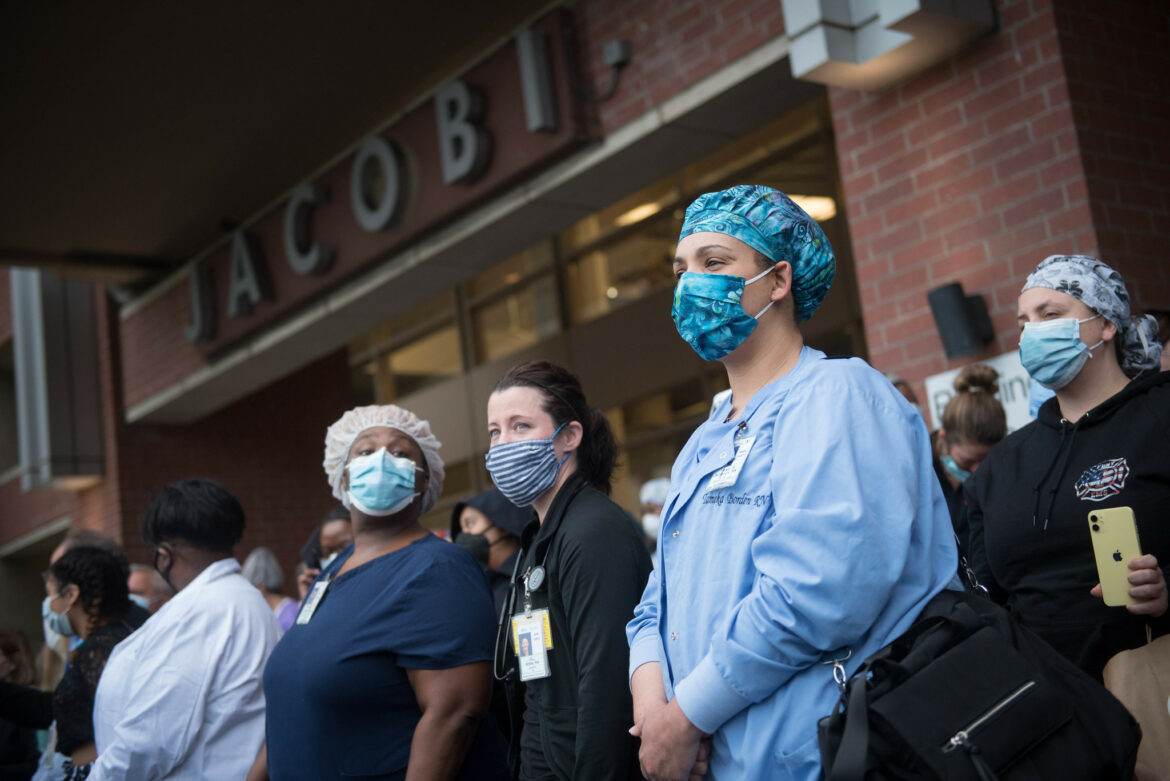
Healthcare workers rally for fair contract amid staffing crisis at Coney Island hospital

Addressing the Staffing Crisis at Coney Island Hospital
Coney Island Hospital in Brooklyn is currently at the center of a staffing crisis, leading to
increased pressures on healthcare workers and jeopardizing patient care. This issue has sparked
rallies and calls for fair contracts from the healthcare workers who are struggling to maintain
quality care amid severe staff shortages. The ongoing crisis highlights the need for systemic
change in how healthcare institutions manage and support their staff, particularly in public
hospitals that serve some of the city’s most vulnerable populations.


The Root Causes of the Staffing Crisis
Several factors have contributed to the staffing crisis at Coney Island Hospital. One of the
primary issues is the long-standing underfunding of public hospitals in New York City, which
has led to lower wages and less competitive benefits for healthcare workers compared to private
institutions. This disparity makes it difficult for public hospitals to attract and retain skilled
professionals, particularly in high-demand areas such as nursing, where the shortage is most
acute. Moreover, the COVID-19 pandemic has further exacerbated these challenges. The
pandemic placed an unprecedented strain on healthcare workers, many of whom were already
working under difficult conditions. The increased workload, combined with the physical and
emotional toll of dealing with a global health crisis, has led to significant burnout among
healthcare professionals. This burnout has resulted in many workers leaving the profession or
seeking employment in less demanding settings, further depleting the workforce at Coney Island
Hospital. Another contributing factor is the increasing demand for healthcare services in
Brooklyn, driven by a growing and aging population. As more residents require medical care, the
hospital’s limited staff is stretched even thinner, leading to longer wait times, reduced patient care
quality, and heightened stress among remaining workers.


The Consequences of the Staffing Shortage
The staffing crisis at Coney Island Hospital has far-reaching consequences for both healthcare
workers and patients. For the staff, the shortage means longer shifts, increased patient loads, and
less time for rest and recovery. This relentless pace can lead to burnout, job dissatisfaction, and
ultimately, a higher turnover rate. High turnover exacerbates the shortage, creating a vicious
cycle that further strains the hospital’s resources. For patients, the consequences are equally dire.
A shortage of healthcare workers means longer wait times for treatment, delays in receiving care,
and potentially poorer health outcomes. In emergency situations, where timely care is critical,
these delays can be life-threatening. Moreover, the quality of care may suffer as overworked and
exhausted staff struggle to manage their responsibilities, increasing the risk of errors and
oversights. The staffing crisis also disproportionately affects low-income and marginalized
communities in Brooklyn, who rely heavily on public hospitals like Coney Island for their
healthcare needs. These communities often face barriers to accessing healthcare, and the current
shortage only exacerbates these challenges, leading to widened health disparities in the borough.


The Role of Quality Healthcare Staffing in Mitigating the Crisis
Quality Healthcare Staffing (QHS) can play a pivotal role in addressing the staffing crisis at
Coney Island Hospital by providing flexible, reliable staffing solutions tailored to the hospital’s
needs. Here’s how:


Temporary Staffing Solutions: QHS can provide temporary healthcare workers to fill
immediate gaps in staffing, ensuring that patient care is not compromised during peak times or
when the hospital is short-staffed. These temporary workers can help alleviate the burden on
full-time staff, allowing them to focus on providing quality care without becoming overwhelmed.
Permanent Placement Services: Beyond temporary solutions, QHS can assist Coney Island
Hospital in recruiting and retaining permanent staff. By leveraging its extensive network and
expertise in healthcare recruitment, QHS can identify and attract qualified professionals who are
committed to serving in public hospitals, helping to build a more stable and sustainable
workforce.


Specialized Healthcare Professionals: QHS can provide specialized healthcare professionals
who are trained to work in high-stress environments like Coney Island Hospital. These
professionals can bring the necessary skills and experience to handle complex cases, reducing the
pressure on existing staff and ensuring that patients receive the care they need.
Support for Healthcare Workers: QHS understands the importance of supporting healthcare
workers’ well-being. By offering wellness programs, mental health support, and other resources,
QHS can help prevent burnout and improve job satisfaction, which is critical for retaining staff in
the long term.


Collaboration with Public Hospitals: QHS can collaborate closely with Coney Island Hospital
and other public healthcare institutions to develop long-term strategies for addressing staffing
challenges. This collaboration could include initiatives such as joint recruitment efforts, training
programs, and workforce development strategies that are tailored to the unique needs of public
hospitals.


Strategies for a Sustainable Solution
While staffing agencies like QHS provide essential short-term relief, addressing the root causes
of the staffing crisis at Coney Island Hospital requires a multi-faceted approach. The following
strategies could help create a more sustainable solution:


Increased Funding for Public Hospitals: Adequate funding is crucial for ensuring that public
hospitals can offer competitive salaries and benefits, attracting and retaining skilled healthcare
workers. Advocating for increased state and federal funding for public healthcare institutions
should be a top priority.


Improving Working Conditions: To retain staff, Coney Island Hospital must focus on
improving working conditions. This could include reducing administrative burdens, ensuring
reasonable nurse-to-patient ratios, and providing ongoing professional development
opportunities. A supportive work environment can go a long way in reducing turnover and
preventing burnout.


Engaging in Policy Advocacy: Engaging in policy advocacy at the local, state, and federal
levels is essential for addressing systemic issues contributing to the staffing crisis. This could
involve advocating for immigration policies that allow more foreign-trained healthcare workers
to practice in the U.S., as well as reforms to licensing and certification processes that streamline
the path to employment for these workers.


Community Engagement and Support: Involving the community in addressing the staffing
crisis is also important. Public awareness campaigns can help educate residents about the
challenges facing Coney Island Hospital and encourage support for initiatives aimed at
improving healthcare access and quality. Community input is crucial in developing solutions that
are both effective and culturally appropriate.


Moving Forward Together
The staffing crisis at Coney Island Hospital is a serious issue that threatens the well-being of
both healthcare workers and patients. Addressing this crisis requires a collaborative effort
involving healthcare institutions, staffing agencies like Quality Healthcare Staffing,
policymakers, and the community. By working together to implement both short-term and
long-term solutions, we can ensure that Coney Island Hospital remains a vital resource for the
Brooklyn community, providing high-quality care to all who need it. Quality Healthcare Staffing,
with its expertise in healthcare recruitment and staffing, can play a crucial role in helping Coney
Island Hospital navigate this challenging time. By providing temporary relief, supporting
long-term recruitment efforts, and advocating for systemic changes, QHS can help create a more
sustainable and equitable healthcare system in Brooklyn. The time to act is now, before the
staffing crisis further jeopardizes the health and safety of the community

Opinion: Physician Staffing Shortages Put NYC’s Public Health at Risk

The Physician Staffing Crisis: A Threat to New York City’s Public Health
New York City is grappling with a severe physician staffing shortage, particularly in its public health system, Health + Hospitals (H+H). This shortage is endangering the city’s ability to provide quality healthcare, especially for vulnerable populations such as low-income, immigrant, and minority communities. The impact is significant, leading to longer wait times, reduced access to services, and increased burnout among healthcare workers.

Understanding the Crisis: Causes of the Physician Shortage
The physician shortage in New York City’s public health system is a long-standing issue that has worsened due to a combination of factors. A primary cause is the city’s difficulty in attracting and retaining physicians in the public sector. Although New York City hosts some of the nation’s top hospitals, many of these are private institutions offering higher salaries and better working conditions than H+H, making it challenging for the public health system to compete. The COVID-19 pandemic brought these challenges into sharper focus. The demand for healthcare services surged dramatically, but the supply of available physicians did not keep pace, increasing the workload on the existing medical staff. This resulted in significant burnout among physicians, many of whom have since left the profession or moved to less demanding roles in private practice or different locations. The bureaucratic red tape and administrative challenges within H+H further exacerbate the problem. Physicians working in the public health system often encounter extensive paperwork, limited resources, and bureaucratic hurdles that hinder their ability to provide care effectively. These administrative burdens lead to job dissatisfaction and make it even harder for the system to recruit new talent or retain existing staff.

The Impact on Public Health
The shortage of physicians has far-reaching implications for public health in New York City. With fewer doctors available, patients experience longer wait times for appointments and procedures, a critical issue for those managing chronic conditions or in need of urgent care. The longer wait times and reduced availability of services can lead to worsened health outcomes, particularly for low-income communities who may not have alternative options for care. Moreover, the remaining healthcare staff face increased pressure, resulting in higher levels of burnout, which in turn reduces the quality of care provided. Overworked physicians are more likely to experience stress and exhaustion, which can negatively affect their ability to perform, potentially leading to mistakes or oversights that put patient health at risk. The physician shortage also exacerbates existing health disparities in the city, disproportionately affecting communities of color, immigrants, and those living in poverty. These populations rely more heavily on H+H for their healthcare needs, meaning they are the most impacted by the reduced availability of physicians. The shortage not only threatens public health in general but also deepens the divide in health outcomes between different demographic groups.

How Quality Healthcare Staffing Can Help
Quality Healthcare Staffing (QHS) is uniquely positioned to address the physician shortage in New York City’s public health system. With a focus on providing top-tier healthcare professionals to meet the needs of various healthcare settings, QHS offers several solutions that can help mitigate this crisis and ensure that all New Yorkers receive the care they need.

  1. Rapid Deployment of Skilled Physicians: QHS has the capability to quickly deploy
    skilled physicians to underserved areas within H+H. This rapid deployment can help fill
    critical staffing gaps, reduce patient wait times, and ensure that those in need of care
    receive timely attention.
  2. Flexible Staffing Solutions: QHS offers flexible staffing solutions that can be tailored to meet the specific needs of H+H. Whether the requirement is for temporary, part-time, or full-time physicians, QHS can provide the right professionals to match the demand, ensuring that the public health system remains resilient in the face of staffing challenges.
  3. Specialized Recruitment Services: QHS specializes in recruiting healthcare professionals with the necessary skills and experience to thrive in challenging environments like H+H. By leveraging its expertise in healthcare recruitment, QHS can help attract and retain top talent, ensuring that H+H has access to the best physicians available.
  4. Support for Physician Well-Being: QHS understands the importance of supporting the well-being of healthcare professionals. By offering resources and support services designed to reduce burnout and promote work-life balance, QHS can help ensure that physicians remain engaged and committed to their roles in the public health system.
  5. Partnerships and Collaboration: QHS can work closely with H+H and other stakeholders to develop long-term solutions to the physician shortage. Through partnerships and collaboration, QHS can help identify and implement strategies that address the root causes of the shortage, ensuring that the public health system is better equipped to meet the needs of New Yorkers.


Potential Solutions: Addressing the Crisis To address the physician shortage, New York City needs to take immediate and strategic action. The following are potential solutions that could help alleviate the crisis and ensure that all New Yorkers have access to quality healthcare.

  1. Increase Physician Compensation: Offering competitive salaries and benefits can help attract and retain physicians in the public health system. The city could consider additional incentives such as loan forgiveness programs, housing assistance, or bonuses for physicians who commit to working in underserved areas for a set period.
  2. Streamline Bureaucratic Processes: Reducing the administrative burden on physicians could make the public health system more attractive to both new and existing doctors. Streamlining paperwork, improving resource allocation, and reducing bureaucratic red tape would allow physicians to focus more on patient care.
  3. Expand Residency Programs: New York City could invest in expanding residency programs within H+H to train more doctors in the public health system. Increasing the number of residency slots and providing incentives for residents to stay in the public sector after completing their training would help build a pipeline of new physicians.
  4. Engage in Advocacy and Policy Change: Addressing the physician shortage will require advocacy at the state and federal levels. The city should work with policymakers to advocate for increased funding for public health, changes to immigration policies that could allow more foreign-trained physicians to work in the U.S., and reforms that make it easier for physicians to practice in underserved areas.


The Role of Technology in Addressing the Shortage
In addition to traditional methods of addressing the physician shortage, technology can play a crucial role in bridging the gap. Telemedicine, for instance, offers a way to extend the reach of existing physicians, allowing them to consult with patients remotely and reduce the strain on physical facilities. Telemedicine can be particularly beneficial in managing chronic conditions, providing follow-up care, and offering specialist consultations without the need for in-person visits. Moreover, the integration of artificial intelligence (AI) in healthcare can help optimize physician workloads. AI tools can assist with diagnostics, administrative tasks, and even treatment planning, freeing up physicians to focus on more complex cases and patient interactions. By adopting these technological advancements, New York City’s public health system can improve efficiency and make better use of its limited physician resources.

Leveraging Public-Private Partnerships
Public-private partnerships are another avenue for addressing the physician shortage. By
collaborating with private healthcare providers, educational institutions, and organizations like Quality Healthcare Staffing, H+H can tap into additional resources and expertise. These partnerships can facilitate the sharing of best practices, the development of joint training programs, and the creation of innovative solutions tailored to the unique needs of New York City’s diverse population. For example, partnerships with medical schools could involve creating specialized tracks for students interested in public health, with guaranteed placements in H+H upon graduation. Similarly, collaborations with private hospitals could include shared staffing arrangements or joint ventures to provide care in underserved areas.

A Community-Centered Approach
Addressing the physician shortage also requires a community-centered approach. Engaging with community leaders, patient advocacy groups, and local organizations can help ensure that the solutions implemented are culturally sensitive and meet the needs of the diverse populations served by H+H. Community input is vital in identifying the specific challenges faced by different demographic groups and in designing interventions that are both effective and equitable. Moreover, public awareness campaigns can play a crucial role in educating the community about the resources available to them, the importance of preventive care, and how to navigate the healthcare system. By empowering patients with knowledge and encouraging proactive health management, the city can help reduce the overall demand on the public health system, alleviating some of the pressure caused by the physician shortage.

A Call to Action
The physician staffing shortage in New York City’s public health system is a critical issue that demands immediate attention. Without adequate staffing, the city risks the health and well-being of its most vulnerable populations. By leveraging the expertise and resources of organizations like Quality Healthcare Staffing, alongside strategic actions by the city, a sustainable solution can be achieved. Increasing compensation, reducing bureaucratic burdens, expanding residency programs, supporting physician well-being, and engaging in advocacy are essential steps to ensuring that all New Yorkers have access to the healthcare they need. Additionally, embracing technology, fostering public-private partnerships, and adopting a community-centered approach will be crucial in addressing the shortage and building a resilient public health system for the future. The time to act is now before the situation worsens and the health of millions is put further at risk. Together, through collaboration and innovation, we can ensure that New York City’s public health system is equipped to meet the challenges of today and tomorrow, providing quality care to all who call this city home.

Discover Quality Healthcare Staffing Solutions for Your Facility

In the ever-evolving landscape of healthcare, finding the right medical professionals for your facility is crucial. Quality Healthcare Staffing (QHS) stands out as a leading provider, offering tailored solutions to meet your staffing needs. This blog delves into how QHS can help you maintain high standards of care by connecting you with skilled healthcare workers.

The Importance of Quality Healthcare Staffing

Staffing in healthcare is not just about filling positions; it’s about ensuring that each role is occupied by qualified, competent, and compassionate professionals. Whether it’s nurses, doctors, or allied health professionals, having the right team in place directly impacts patient outcomes, operational efficiency, and overall satisfaction.

Tailored Solutions for Every Facility

  1. Comprehensive Staffing Services

QHS offers a wide range of staffing services tailored to various healthcare settings. From hospitals and clinics to long-term care facilities and home health agencies, we provide solutions that match your specific requirements.

  • Temporary Staffing: Perfect for covering short-term gaps due to vacations, illness, or sudden increases in patient load.
  • Permanent Staffing: Find the right long-term fit for your facility with our rigorous selection process.
  • Per Diem Staffing: Flexible staffing options to cover shifts on an as-needed basis.
  1. Extensive Talent Pool

Our extensive talent pool includes highly qualified professionals across different specialties. This ensures that no matter your staffing needs, QHS can provide candidates with the right expertise and experience.

  • Registered Nurses (RNs)
  • Licensed Practical Nurses (LPNs)
  • Certified Nursing Assistants (CNAs)
  • Physicians and Surgeons
  • Allied Health Professionals

Streamlined Recruitment Process

  1. Rigorous Screening and Vetting

Quality is at the core of our staffing solutions. Every candidate undergoes a rigorous screening process, including background checks, credential verification, and comprehensive interviews. This ensures that only the most qualified professionals are presented to you.

  1. Personalized Matching

We understand that every facility has unique needs. Our team works closely with you to understand your requirements and culture, ensuring that the candidates we provide are not only skilled but also a good fit for your team.

Benefits of Choosing Quality Healthcare Staffing

  1. Enhanced Patient Care

By providing top-notch healthcare professionals, QHS helps you maintain high standards of patient care. Our candidates are experienced, compassionate, and dedicated to delivering excellent service.

  1. Operational Efficiency

With QHS handling your staffing needs, you can focus on what you do best – providing care. Our efficient recruitment process reduces the time and effort required to find and hire the right candidates, minimizing disruptions to your operations.

  1. Cost-Effective Solutions

Our flexible staffing options help you manage labor costs effectively. Whether you need temporary coverage or permanent staff, we provide cost-effective solutions that align with your budget.

Partner with Quality Healthcare Staffing Today

In a field where quality and reliability are paramount, partnering with Quality Healthcare Staffing ensures that your facility is always equipped with the best professionals. Discover how our tailored staffing solutions can help you meet your healthcare goals. 

Visit our website www.qhstaff.com to learn more about our services and to get started with your staffing needs today.


Navigating Stress in the Healthcare Workplace: Tips and Strategies

In the demanding field of healthcare, stress is a common challenge that can impact both healthcare professionals and patient care. At Quality Healthcare Staffing, we recognize the importance of addressing stress and providing support to our dedicated staff. In this blog, we’ll explore the causes of stress in healthcare, its effects, and practical strategies for managing and reducing stress in the workplace.


Understanding the Causes of Stress in Healthcare

Healthcare professionals face unique stressors that can contribute to high levels of stress:

  1. High Workload: The need to manage numerous patients and perform extensive duties often leads to physical and mental exhaustion.
  2. Emotional Strain: Dealing with critically ill patients and their families can be emotionally draining.
  3. Intense Work Environment: The fast-paced and high-stakes nature of healthcare settings can create a stressful atmosphere, particularly during emergencies.
  4. Administrative Burdens: Balancing clinical responsibilities with administrative tasks can be overwhelming.
  5. Resource Limitations: Inadequate staffing, outdated equipment, and lack of support can further increase stress levels.


The Impact of Stress on Healthcare Professionals

Stress in the healthcare environment can lead to several adverse effects:

  • Burnout: Chronic stress can cause burnout, characterized by emotional exhaustion, detachment, and a diminished sense of accomplishment.
  • Health Problems: Persistent stress can result in physical health issues such as headaches, hypertension, and weakened immunity.
  • Job Dissatisfaction: High stress levels can lead to decreased job satisfaction, affecting morale and productivity.
  • Patient Care Quality: Stressed healthcare workers may struggle to provide the best care, potentially leading to mistakes or decreased patient satisfaction.


Effective Strategies for Managing Stress

Managing stress is essential for maintaining a healthy work environment and ensuring quality patient care. Here are some strategies that can help:

  1. Time Management: Prioritizing tasks, setting realistic goals, and delegating responsibilities can help manage workload effectively.
  2. Support Systems: Fostering a supportive work environment where colleagues can share experiences and offer mutual support can significantly reduce stress.
  3. Professional Development: Engaging in continuous learning and professional development can boost confidence and reduce performance-related stress.
  4. Self-Care: Encouraging healthcare professionals to take breaks, exercise regularly, and maintain a healthy work-life balance is crucial for stress management.
  5. Mindfulness and Relaxation: Practices such as meditation, deep breathing exercises, and yoga can help healthcare workers manage stress and maintain mental well-being.
  6. Access to Mental Health Resources: Providing access to counseling services and mental health support can help healthcare professionals cope with stress effectively.


Quality Healthcare Staffing’s Commitment to a Supportive Work Environment

At Quality Healthcare Staffing, we are committed to fostering a supportive and healthy work environment for our healthcare professionals. Here’s how we support our staff:

  • Adequate Staffing Levels: We aim to maintain optimal staffing levels to prevent overwork and burnout.
  • Flexible Scheduling: We offer flexible scheduling options to help our staff balance their personal and professional lives.
  • Continuous Training: We provide regular training and development programs to enhance the skills and confidence of our healthcare professionals.
  • Positive Workplace Culture: We promote open communication, mutual respect, and teamwork to create a positive and supportive workplace culture.
  • Wellness Programs: We offer wellness programs and resources to support the physical and mental health of our staff.


Managing stress in the healthcare workplace is essential for the well-being of healthcare professionals and the quality of patient care. At Quality Healthcare Staffing, we are dedicated to supporting our staff by providing a healthy work environment, access to resources, and opportunities for professional growth. By prioritizing stress management, we can ensure that our healthcare professionals remain motivated, satisfied, and capable of delivering exceptional patient care.

For more tips and resources on managing stress in the healthcare workplace, follow our blog and stay connected with Quality Healthcare Staffing. Together, we can create a healthier, more supportive environment for all healthcare professionals.

How to Create a Standout Resume: Tips from Staffing Experts

A standout resume is crucial for catching the eye of hiring managers and staffing experts alike. Your resume should not only showcase your clinical skills and experiences but also highlight your compassion, professionalism, and dedication to patient care. Here are some expert tips to help you craft a compelling resume that will set you apart from the crowd.

1. Craft a Strong Professional Summary

Begin your resume with a concise professional summary that outlines your nursing experience, specialties, and career objectives. This section serves as an introduction to your skills and sets the tone for the rest of your resume.

Example: “Compassionate and highly skilled Registered Nurse with 8+ years of experience in critical care and emergency medicine. Proven track record of delivering high-quality patient care and improving patient outcomes.”

2. Tailor Your Resume to the Nursing Position

Customize your resume for each nursing job application by highlighting relevant skills, certifications, and experiences that match the specific role. Carefully review the job description to identify keywords and requirements that you can address in your resume.

3. Highlight Key Nursing Achievements

Rather than just listing your job duties, focus on your accomplishments and contributions to patient care. Use metrics whenever possible to quantify your achievements and demonstrate your impact.

Example: “Implemented new triage protocols that reduced patient wait times by 30%, improving overall emergency department efficiency.”

4. Utilize a Clear and Professional Format

Ensure your resume is well-organized and easy to read. Use a clean, professional layout with clear headings and bullet points to effectively present your information. Stick to a traditional font like Arial or Times New Roman and avoid using excessive formatting or colors.

5. Showcase Your Clinical Skills

Create a dedicated section to showcase your clinical skills and areas of expertise. Include both technical skills (e.g., patient assessment, medication administration) and soft skills (e.g., communication, teamwork) that are essential for nursing roles.

Example:

  • Clinical Skills: Advanced Cardiac Life Support (ACLS), Patient Monitoring, Wound Care Management

6. Keep Your Resume Concise

While detailing your experience is important, aim to keep your resume to one or two pages. Focus on highlighting the most relevant information and avoid including unnecessary details. Use bullet points to effectively summarize your responsibilities and achievements.

7. Highlight Your Education and Certifications

Include your nursing education, licensure, and any additional certifications relevant to the position. Clearly state your degree, the name of your nursing school, and your graduation year. List certifications such as Basic Life Support (BLS) or Pediatric Advanced Life Support (PALS) with the issuing organization and expiration date.

8. Proofread and Edit Thoroughly

Review your resume multiple times for spelling, grammar, and formatting errors. Consider asking a colleague or mentor to review your resume as well to ensure clarity and accuracy. A polished resume demonstrates your attention to detail and professionalism.

9. Use Action Verbs to Describe Your Experience

Begin each bullet point with strong action verbs to convey your nursing responsibilities and achievements effectively. Action verbs such as “administered,” “assessed,” “implemented,” and “coordinated” help demonstrate your proactive approach and impact in previous roles.

Example:

  • Managed patient care for a caseload of 20+ patients per shift, ensuring adherence to treatment plans and patient safety protocols.
  • Collaborated with multidisciplinary teams to develop and implement comprehensive care plans for critically ill patients.

10. Send Your Resume as a PDF or Word Document

When submitting your resume, always send it as a PDF or Word document rather than a screenshot image. This ensures that the formatting remains intact and the content is easily readable by hiring managers and applicant tracking systems (ATS).

11. Include a Well-Written Cover Letter

Accompany your resume with a personalized cover letter that highlights your passion for nursing and explains why you are a perfect fit for the position. Use the cover letter to expand on specific experiences or skills mentioned in your resume and demonstrate your enthusiasm for the opportunity.

Creating a standout resume as a Registered Nurse requires careful thought and attention to detail. By following these expert tips, you can create a resume that effectively showcases your nursing skills, aligns with the job requirements, and impresses hiring managers. Remember, your resume serves as your first introduction to potential employers—make it count!

The Significance of Juneteenth in Advancing Cultural Competency in Healthcare

Juneteenth, celebrated on June 19th, marks a pivotal moment in American history—the day in 1865 when the last enslaved African Americans in Galveston, Texas, were informed of their freedom, two years after the Emancipation Proclamation. This day is not only a commemoration of freedom but also an opportunity to reflect on the journey toward equality and the ongoing struggle against systemic racism.

In healthcare, Juneteenth holds particular significance as it underscores the importance of cultural competency among healthcare professionals. Cultural competency refers to the ability of healthcare providers to understand, appreciate, and interact with people from cultures or belief systems different from their own. It involves recognizing the impact of social determinants of health like race, ethnicity, and socioeconomic status on patient outcomes.

Understanding Historical Context

To provide compassionate care that respects patients’ cultural backgrounds, healthcare providers must understand the historical context that shapes health disparities. The legacy of slavery and segregation has contributed to mistrust in medical institutions among African American communities. Juneteenth serves as a reminder of these historical injustices and the need to build trust through culturally sensitive care.

Promoting Health Equity

Celebrating Juneteenth in healthcare settings can promote health equity by acknowledging the unique challenges faced by African American patients. It’s an opportunity for healthcare organizations to commit to eliminating racial disparities in health outcomes through education, policy changes, and community engagement.

Educational Initiatives

Healthcare institutions can use Juneteenth as a catalyst for educational initiatives that enhance cultural competency. Workshops, seminars, and training sessions focused on understanding the significance of Juneteenth can equip healthcare professionals with the knowledge to address the specific needs of African American patients.

Community Engagement

Juneteenth also encourages healthcare providers to engage with their local communities. By participating in Juneteenth events and supporting African American-led community organizations, healthcare professionals can demonstrate their commitment to serving all patients with dignity and respect.

The observance of Juneteenth in healthcare is more than a celebration—it’s a commitment to advancing cultural competency and ensuring that all patients receive equitable care. As we honor this day, let’s renew our dedication to understanding our shared history and working toward a future where everyone has the opportunity to live a healthy life.

Medical Assistant Work-Life Balance: Challenges and Solutions

Medical assistants play a crucial role in the healthcare system, juggling a variety of tasks from administrative duties to patient care. However, the demanding nature of their job often leads to significant work-life balance challenges. Let’s explore these problems and potential solutions to create a more sustainable work environment for medical assistants.

Challenges

  1. Long Hours and Overtime: Medical assistants often work long shifts, including nights, weekends, and holidays. Overtime is common, leading to physical and mental exhaustion.
  2. High-Stress Environment: The fast-paced nature of healthcare, coupled with the emotional toll of patient care, can result in high stress and burnout.
  3. Administrative Burden: Balancing clinical tasks with extensive paperwork and administrative responsibilities adds to the workload, making it hard to find time for personal life.
  4. Understaffing: Many healthcare facilities operate with minimal staff, increasing the workload for medical assistants and leaving them with little time for breaks or recovery.

Solutions

  1. Flexible Scheduling: Implementing flexible schedules can help medical assistants better manage their personal and professional lives. Options such as part-time work, job sharing, or staggered shifts can provide more balance.
  2. Adequate Staffing: Ensuring adequate staffing levels can reduce the burden on individual medical assistants. This may involve hiring additional staff or using temporary workers during peak times.
  3. Supportive Work Environment: Creating a supportive work culture where medical assistants feel valued and heard can reduce stress. Regular feedback, recognition programs, and open communication channels are essential.
  4. Training and Development: Providing ongoing training can enhance efficiency and confidence, reducing the time needed for certain tasks. Development opportunities can also offer career growth, contributing to job satisfaction.
  5. Wellness Programs: Implementing wellness programs focused on physical and mental health can help medical assistants manage stress. This could include mindfulness training, exercise programs, and access to counseling services.
  6. Streamlining Administrative Tasks: Utilizing technology to automate and streamline administrative tasks can free up time for medical assistants, allowing them to focus more on patient care and reduce overall workload.

Balancing work and life is essential for medical assistants to maintain their health and provide the best care to patients. By addressing the challenges through flexible scheduling, adequate staffing, supportive environments, and wellness programs, healthcare facilities can help medical assistants achieve a better work-life balance. Investing in these solutions not only benefits the medical assistants but also enhances the overall quality of healthcare delivery.

Optimizing Recruitment for Specialized Healthcare Roles

Recruiting specialized healthcare professionals is a complex task. With the increasing demand for highly skilled healthcare workers and the critical importance of their roles, optimizing recruitment processes is essential. Here are some effective strategies to ensure that healthcare organizations attract and retain top talent in specialized roles.

Leveraging Technology

Incorporating advanced technology into the recruitment process is a game-changer. AI-powered recruitment software can streamline the entire hiring process, from screening resumes to scheduling interviews. These tools help identify the best candidates efficiently, saving time and resources while ensuring a high-quality selection process. Additionally, utilizing niche job boards and professional networks focused on healthcare can help target candidates with the precise skills and qualifications needed.

Building Educational Partnerships

Forming partnerships with educational institutions and professional organizations is another key strategy. By collaborating with medical schools, training centers, and healthcare associations, organizations can tap into a pipeline of emerging talent. Internship and residency programs foster hands-on experience and can lead to long-term employment opportunities. These partnerships also allow organizations to stay updated on the latest advancements and trends in healthcare education and training.

Offering Competitive Compensation

Attracting top-tier healthcare professionals requires competitive compensation and benefits packages. While a good salary is important, it’s equally vital to offer comprehensive benefits that address career development, work-life balance, and continuing education. Programs that support ongoing professional growth and provide a healthy work-life balance can make a significant difference in attracting and retaining specialized healthcare workers.

Ensuring a Transparent Recruitment Process

Transparency in the recruitment process builds trust and engagement. Clear communication about job expectations, responsibilities, and the selection process helps candidates feel informed and valued. A well-structured recruitment process that includes detailed job descriptions, timely updates, and constructive feedback can enhance the candidate experience and improve the likelihood of securing top talent.

Fostering a Positive Work Environment

A positive and supportive work environment is crucial for retaining specialized healthcare professionals. Organizations should focus on creating a culture of collaboration, respect, and continuous improvement. Providing opportunities for professional development, recognizing achievements, and promoting a healthy work-life balance can contribute to job satisfaction and long-term retention.

Optimizing recruitment for specialized healthcare roles requires a multifaceted approach that leverages technology, builds strategic partnerships, offers competitive compensation, ensures transparency, and fosters a positive work environment. By implementing these strategies, healthcare organizations can attract and retain the skilled professionals needed to deliver exceptional patient care and stay ahead in a competitive field.